Hello everyone. The ICR (Institution for Cetacean Research) has announced that the Japanese whaling fleet has returned to port. This season, the whalers hunted and killed 333 minke whales since December. What this amounts to is that many of the 333 whales were illegally slaughtered in the Southern Ocean Whale Sanctuary and Australian Whale Sanctuary. I can tell you this thanks to the ICR announcing the coordinates where each whale was killed. Sadly of those killed, 200 are being reported as pregnant females. For those of you who may not follow this blog regularly, or this is your first time here....
Back in 2014, the International Court of Justice declared that Japan's lethal scientific whale research program was not scientific, but rather commercial whaling. There is a moratorium currently in effect on commercial whaling, a moratorium in which Japan was found to be violating year after year. The moratorium has a loophole in that nations are able to kill whales for scientific research and sell the meat of the whale rather than waste it. Japan took advantage of that for years, claiming that it was too difficult to do non-lethal research. In order to resume whaling, Japan would need to develop a new program that would actually have scientific merit. Last year, Japan sent a few whaling ships down to the Southern Ocean and performed non lethal research. In late 2015, Japan announced that it would once again be whaling in the Southern Ocean under a new program that was also shot down by the IWC. So by whaling this year, Japan broke international law as they currently have a court ruling against them and at the same time, once again broke the moratorium on commercial whaling.
While the number of whales killed this year is significantly smaller than the quotas that have been set up in the past, illegal is illegal. It's great that Japan has scaled back the number of whales it's hunting, but that is not enough because their program has no scientific merit and is classified as commercial, which remains illegal. In years past the Sea Shepherd Conservation Society locked horns with the whaling fleet in the Southern Ocean, but due to several of their vessels undergoing repairs, the lateness in which Japan announced it would be whaling, and the massive increase in the whaling fleet's target areas, Sea Shepherd was unable to pursue the whalers this year. Despite that Sea Shepherd is battling the ICR in courts around the world and claim to have a high speed ship that would be able to track down the whaling fleet set to set sail next season.
So how long will Japan spit in the face of the world in regards to whaling? Well probably until somebody actually does something about it. Probably until Australia or New Zealand actually escort the whaling fleet out of the whale sanctuaries. Another scenario that could bring an end to the large scale whale hunts would be the lone factory ship needing to be replaced. As an older vessel, the Nisshin Maru's life can only be so long and replacing it would be a huge cost that the Japanese Government may see as a waste as the popularity of whale meat continues to drop.
The bottom line here is that Japan has once again defied international law and until they are not allowed to do so they will do it year after year.
Friday, March 25, 2016
Sunday, March 20, 2016
Taiji Ends It Brutal Slaughter for the Year
Greetings once again everyone. So I'm not going to lie, I kind of missed the boat a bit on this one due to life events, but the Taiji Dolphin Slaughter came to an end at the start of this month. While hunting permits remain in effect until the end of March, it seems like Taiji has called it quits for the season. So with that being said, the following, according to Ric O'Barry's Dolphin Project are the statistics for the 2015-2016 drive hunt...
Killed: 652
Striped Dolphins: 290
Risso's Dolphins: 245
Bottlenose Dolphins: 66
Pilot Whales: 51
Released: 121
Bottlenose Dolphins: 80
Pilot Whales: 22
Risso's Dolphins: 19
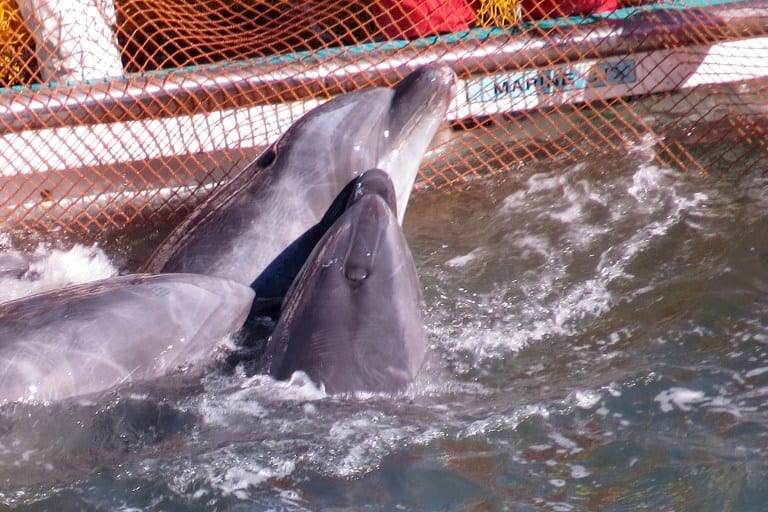
The next numbers are the number of dolphins that were captured for aquariums and marine parks. Keep in mind as always. The main reason this slaughter continues is because marine parks continue to purchase dolphins from Taiji. One live dolphin sold into captivity can go for well over $500,000 dollars. If that doesn't spell profit, I don't know what does. More on that in a minute. First though, the numbers...
Captivity: 111
Bottlenose Dolphins: 98
Risso's Dolphins: 8
Pacific White Sided Dolphins: 4
Pilot Whales: 1
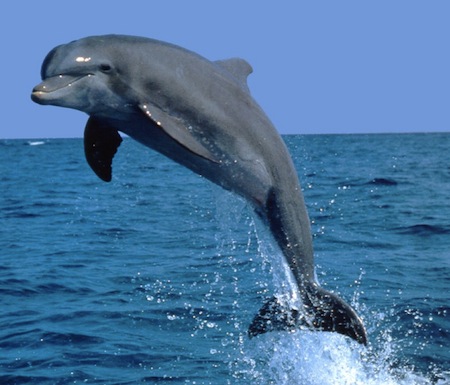
As you can see the vast majority of the dolphins brought into captivity are these guys, the famous bottlenose dolphin.


Killed: 652
Striped Dolphins: 290
Risso's Dolphins: 245
Bottlenose Dolphins: 66
Pilot Whales: 51
Released: 121
Bottlenose Dolphins: 80
Pilot Whales: 22
Risso's Dolphins: 19
The next numbers are the number of dolphins that were captured for aquariums and marine parks. Keep in mind as always. The main reason this slaughter continues is because marine parks continue to purchase dolphins from Taiji. One live dolphin sold into captivity can go for well over $500,000 dollars. If that doesn't spell profit, I don't know what does. More on that in a minute. First though, the numbers...
Captivity: 111
Bottlenose Dolphins: 98
Risso's Dolphins: 8
Pacific White Sided Dolphins: 4
Pilot Whales: 1
As you can see the vast majority of the dolphins brought into captivity are these guys, the famous bottlenose dolphin.
Strangely enough, the bottlenose dolphin is also the most popular species of dolphin in marine parks. So until September 1st, the killing has stopped. The dolphins of Japan can feel a bit safer swimming by until then.
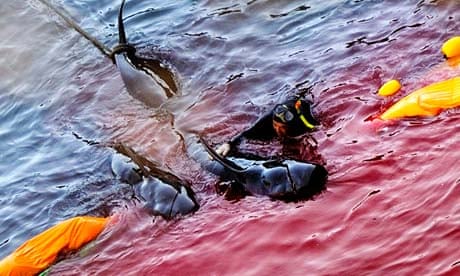
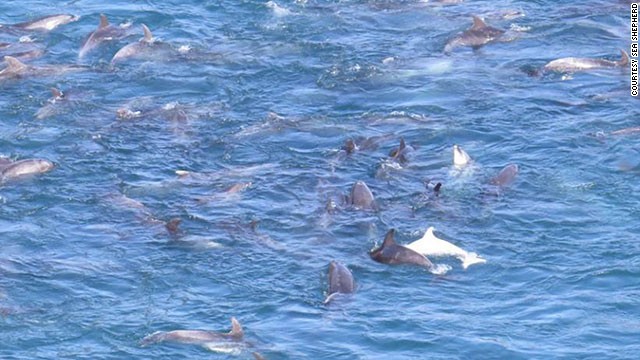
Some things to remember about this slaughter is just how barbaric it is. The best way to do that is by seeing it, so I warn you that the following images are going to be quite graphic. Before that though I can't help but wonder what the future of this slaughter is going to be. The number of dolphins that are released every year seems to be on the rise as the kill numbers drop. On top of that I need to wonder what if anything Sea World will do. They've come out and pledged to help put an end to commercial whaling and dolphins are in fact small cetaceans. So we will see what comes of that. Thanks for reading this quick little blog! I apologize for not posting this sooner! From now until September, there will probably not be too much in the way of dolphin related blogs unless of course something were to happen that is noteworthy. Stay tuned though as I have started working on a blog that will introduce a new topic to this blog, Iceland's Whaling Program. For now though, I leave you now with a very real reminder of the horror that is the Taiji Dolphin Slaughter.

Saturday, March 19, 2016
Reaction to Sea World Ending Orca Breeding Program
Hello everyone. By now chances are the you've heard the big announcement that the marine park, Sea World has officially ended it's captive Orca breeding program. For those of you who are unaware... Sea World has been under massive pressure from animal activists and many members of the general population to end the captive breeding of orcas. Before I reveal my thoughts on this matter as I tend to stay away from this sort of thing normally, let's take a look back.
Back in 2013, a film was released entitled "Blackfish". The film focused on the story of Tilikum, an orca currently residing in Sea World Orlando. The film focused on the risks of keeping these animals in captivity as Tilikum has been called responsible for the deaths of 3 people (depending on who you ask of course). The film in general however is one sided against Sea World and captivity in general. I'm not going to go into it much more than that here. If you really want to know my whole reaction to the film, check out this blog I did a couple years back. To check that out Click here!
Pressure mounted on Sea World over what has become known as the Blackfish Effect. Stocks crashed, attendance sank, and it seemed like Sea World's world was crashing down around them. Suddenly though Sea World started to change it's tune. They first announced new enclosures for the orcas that would be much larger and more natural feeling and looking. The first of those is set to be ready for 2017 in San Diego with the other Sea World parks to follow suite. Despite this announcement things continued to be rough for Sea World as the orca shows continued to be a target of much displeasure. So Sea World again changed it's attitude and agreed to put an end to it's traditional orca entertainment show. They will be replacing the old show with a new show that will focus more on education and these animals in the wild versus entertainment. Then Sea World shook up the entire zoo/aquarium/marine park world when the announced just days ago that they will be ending their orca breeding program making the orcas currently housed at Sea World the last generation of orcas to be housed at Sea World.
This announcement has gotten all kinds of responses. Some people applaud Sea World's choice. Some see it as giving into a small group of people. Some see it as the start of the end of the entire zoo/aquarium world. Me? I see it is a very interesting situation. I stand by what I said years ago that I do not think orcas, or any other large cetaceans for that matter belong in captivity. I feel like they are simply too big and way too smart and even way too social to be kept in a tank. At the same time though, I see where Sea World comes from. Take a moment to think of the history of the orca. Many years ago these animals we knew nothing about. People literally feared these beings. They got the name "killer" whale after all. Then Sea World starts a show of entertainment. Suddenly these animals become beloved. Suddenly people cared about the orca. Suddenly people were no longer afraid. Things would largely go Sea World's way until Blackfish came out. After a few years of fighting the company decided, for one reason or another Sea World has decided to call it quits with the orca. I see it as that the orca has fulfilled it's purpose in captivity. With the sheer fame and attraction to these animals, I think it is safe to say that future generations will not be fearing these animals and will hold them in the same regard as they do now.
Personally I don't see it as Sea World slapping the zoo/aquarium world in the face like some do. I see this as a step towards actually caring about the animals in the wild more than just having them for entertainment. Yes, Sea World gave money to research and orca conservation, but guess what they will continue to do so and probably spend more money than ever before on it. In fact, Sea World claims that it will put 50 million dollars towards marine animal rescue, conservation. Personally for me the most important fight Sea World claims it is going to step up in is the fight to end all commercial whaling, commercial seal killing, as well as shark finning worldwide. I don't know about you, but to me all that stuff does not sound like a facility turning it's back on the zoo/aquarium world. To me it sounds like Sea World is in a transition from entertainment to education which is really what all of these facilities should be about. Whether or not these claims become true, time will tell, but for now it certainly sounds like a big step in the right direction.
The end of the orca breeding program no doubt ushers in a new era for Sea World. Sure, extreme animal activists will probably jump on Sea World for another thing (dolphin breeding) and that will be another battle for Sea World to fight. Some people that stood by Sea World have turned their backs to them for abandoning the shows and breeding program, but those are the people who are in it to be entertained and not in it to try and fully understand these animals that we as a species still cannot grasp. Many people who were against Sea World's shows and programs have applauded them for this choice.
As I said before... I do not believe there is a need for orcas to be in captivity. Regardless as to what side of the fence you may have been on before this announcement. Whether it was pro Blackfish or pro Sea World, one thing everybody should agree on. That is that the survival of the species in the wild is what matters. It does not matter that a day will come where we can't see them doing flips for our amusement. All that matters is that Sea World starts a real serious educational program while the animals are still there and continues that program long after the last orca at Sea World is gone. I've said it before in several blogs, if Sea World were to ever take a stand against places like Taiji, the world would change. Sea World took a stand for whatever reason, be it financial or otherwise, to see an end to what is their biggest entertainment attraction. Times could be changing, but only time will tell that. For now though I thank Sea World for their choice and truly hope that the 50 million plus really does go partly towards seeing an end to the commercial slaughters plaguing our oceans.
Back in 2013, a film was released entitled "Blackfish". The film focused on the story of Tilikum, an orca currently residing in Sea World Orlando. The film focused on the risks of keeping these animals in captivity as Tilikum has been called responsible for the deaths of 3 people (depending on who you ask of course). The film in general however is one sided against Sea World and captivity in general. I'm not going to go into it much more than that here. If you really want to know my whole reaction to the film, check out this blog I did a couple years back. To check that out Click here!
Pressure mounted on Sea World over what has become known as the Blackfish Effect. Stocks crashed, attendance sank, and it seemed like Sea World's world was crashing down around them. Suddenly though Sea World started to change it's tune. They first announced new enclosures for the orcas that would be much larger and more natural feeling and looking. The first of those is set to be ready for 2017 in San Diego with the other Sea World parks to follow suite. Despite this announcement things continued to be rough for Sea World as the orca shows continued to be a target of much displeasure. So Sea World again changed it's attitude and agreed to put an end to it's traditional orca entertainment show. They will be replacing the old show with a new show that will focus more on education and these animals in the wild versus entertainment. Then Sea World shook up the entire zoo/aquarium/marine park world when the announced just days ago that they will be ending their orca breeding program making the orcas currently housed at Sea World the last generation of orcas to be housed at Sea World.
This announcement has gotten all kinds of responses. Some people applaud Sea World's choice. Some see it as giving into a small group of people. Some see it as the start of the end of the entire zoo/aquarium world. Me? I see it is a very interesting situation. I stand by what I said years ago that I do not think orcas, or any other large cetaceans for that matter belong in captivity. I feel like they are simply too big and way too smart and even way too social to be kept in a tank. At the same time though, I see where Sea World comes from. Take a moment to think of the history of the orca. Many years ago these animals we knew nothing about. People literally feared these beings. They got the name "killer" whale after all. Then Sea World starts a show of entertainment. Suddenly these animals become beloved. Suddenly people cared about the orca. Suddenly people were no longer afraid. Things would largely go Sea World's way until Blackfish came out. After a few years of fighting the company decided, for one reason or another Sea World has decided to call it quits with the orca. I see it as that the orca has fulfilled it's purpose in captivity. With the sheer fame and attraction to these animals, I think it is safe to say that future generations will not be fearing these animals and will hold them in the same regard as they do now.
Personally I don't see it as Sea World slapping the zoo/aquarium world in the face like some do. I see this as a step towards actually caring about the animals in the wild more than just having them for entertainment. Yes, Sea World gave money to research and orca conservation, but guess what they will continue to do so and probably spend more money than ever before on it. In fact, Sea World claims that it will put 50 million dollars towards marine animal rescue, conservation. Personally for me the most important fight Sea World claims it is going to step up in is the fight to end all commercial whaling, commercial seal killing, as well as shark finning worldwide. I don't know about you, but to me all that stuff does not sound like a facility turning it's back on the zoo/aquarium world. To me it sounds like Sea World is in a transition from entertainment to education which is really what all of these facilities should be about. Whether or not these claims become true, time will tell, but for now it certainly sounds like a big step in the right direction.
The end of the orca breeding program no doubt ushers in a new era for Sea World. Sure, extreme animal activists will probably jump on Sea World for another thing (dolphin breeding) and that will be another battle for Sea World to fight. Some people that stood by Sea World have turned their backs to them for abandoning the shows and breeding program, but those are the people who are in it to be entertained and not in it to try and fully understand these animals that we as a species still cannot grasp. Many people who were against Sea World's shows and programs have applauded them for this choice.
As I said before... I do not believe there is a need for orcas to be in captivity. Regardless as to what side of the fence you may have been on before this announcement. Whether it was pro Blackfish or pro Sea World, one thing everybody should agree on. That is that the survival of the species in the wild is what matters. It does not matter that a day will come where we can't see them doing flips for our amusement. All that matters is that Sea World starts a real serious educational program while the animals are still there and continues that program long after the last orca at Sea World is gone. I've said it before in several blogs, if Sea World were to ever take a stand against places like Taiji, the world would change. Sea World took a stand for whatever reason, be it financial or otherwise, to see an end to what is their biggest entertainment attraction. Times could be changing, but only time will tell that. For now though I thank Sea World for their choice and truly hope that the 50 million plus really does go partly towards seeing an end to the commercial slaughters plaguing our oceans.
Wednesday, January 27, 2016
The Horror in Taiji Continues in 2016
Greetings everyone and welcome back. Tonight I will be revisiting a horrific issue that I have covered many times in the past. Yes, I am referring to the Taiji Dolphin Slaughter. For those of you who may be unaware of what I am talking about, I will quickly explain. The town of Taiji, Japan is home to a disgusting drive hunt in which various species of small cetaceans are driven from the ocean into a cove and either brutally slaughtered or sold into captivity. The methods the Japanese use are considered "traditional" and make use of advanced technologies that the traditional dolphin hunts would never have had... So... True tradition? Not so much. How the dolphins are killed is also far from humane and I will include a video of the "hunt" at the end of this blog. While this blog normally remains neutral and out of the whole captivity debate, this is one topic I will never be silent on. The fact is that the amount of money that the Taiji fishermen make from selling a dolphin into captivity is far and above the money that they make for selling them for meat. Any dolphin that is unfit for captivity is normally slaughtered, or if very small, may be forced back out to sea.
The dolphin hunting season began in Taiji on September 1st, 2015. The following are some stats as if January 17th, 2016 from Sea Shepherd Conservation Society's Cove Guardians who are on the ground in Taiji documenting the slaughter. At this point there have been 439 of the allotted 1,873 dolphins killed in the cove of Taiji. Of those killed include 198 Risso's dolphins, 144 striped dolphins, 51 pilot whales, and 46 bottlenose dolphins. The early part of the season was slow. Kill counts were actually very low in September and October, but November and so far January have seen many more dolphins slaughtered.
If you would like to get a rough idea of the value of the meat of all these dolphins consider this. One dead dolphin can fetch at most $500. After paying the fishermen's salaries and the labor to prepare the dolphins for sale you figure the final profit is very low.... That being said...
So far 91 dolphins have been sold into captivity. Of those 91 dolphins 84 of them are bottlenose dolphins, 6 Risso's dolphins, and 1 pilot whale. The dolphins that are the most fit in a pod are usually taken into captivity (depending on the species. Bottlenose dolphins are the main captivity target). 102 dolphins have been forced back out to sea with the majority of them being presumably young bottlenose dolphins.
Keep in mind the small amount of money the industry makes from a dead dolphin and consider this. One live bottlenose dolphin can sell for over $100,000 dollars. Fishermen salaries included, this number is ridiculously high compared to what the industry makes off of a dead dolphin. That being said, it's pretty obvious where the money comes from and what really drives this slaughter. It's not the meat, it's not the need for food for the survival of the Japanese people, It's literally the captivity industry that is keeping the Taiji dolphin slaughter alive and profitable. If the buying of dolphins from Taiji stopped, the killing would probably come to a quick end or the hunting season would be cut dramatically.
Now I am not going to stand on a soap box sort to speak here and start telling you not to go to aquariums or zoos or anything like that because as I have said many times before. My concern in this blog is the survival of the wild populations of these and the other animals I blog about. However I will ask you to be smart and to do your research before visiting a facility that houses dolphins or other cetaceans. Find out where they are from and if they are from somewhere that is home to a drive hunt like Taiji, find somewhere else to go. That's all I will say about that.
I've called out Sea World, Georgia Aquarium, and other large facilities in the United States before to stand up for the animals they say they care so much about to help put an end to this slaughter and I am doing it again here. These facilities should take a stand and really push for Japan to put an end to this slaughter and help the town of Taiji find an alternative to slaughtering and bringing dolphins into captivity. Helping to establish dolphin tourism would probably be huge for a town that, from what photos and video show, has a great love for dolphins. (Keep in mind most people living in Taiji are probably still not aware of the killing going on in their backyard as the cove is closed to the public and basically hidden during the hunting season)
The Taiji dolphin slaughter continues to take the lives of countless dolphins and the idea that a facility is saving a dolphin from being killed and that's why they are buying it is just insane because if they weren't buying then the industry wouldn't survive and the killing would drop.
What can you do? 1.) Educate yourself of the Taiji dolphin slaughter. I've personally done many a blog on this issue and have a ton of fact in those blogs. You can also check out Sea Shepherd's Cove Guardians and Ric O'Barry's Dolphin Project. Both groups have been on the ground in Taiji and have tons of photos, videos, and information. 2.) Watch "The Cove" 3.) Tell your friends about the situation and spread the word. 4.) In my opinion one of the strongest ways to get the message across... Share the following video far and wide. No words are needed other than where this is happening and why.
The dolphin hunting season began in Taiji on September 1st, 2015. The following are some stats as if January 17th, 2016 from Sea Shepherd Conservation Society's Cove Guardians who are on the ground in Taiji documenting the slaughter. At this point there have been 439 of the allotted 1,873 dolphins killed in the cove of Taiji. Of those killed include 198 Risso's dolphins, 144 striped dolphins, 51 pilot whales, and 46 bottlenose dolphins. The early part of the season was slow. Kill counts were actually very low in September and October, but November and so far January have seen many more dolphins slaughtered.
If you would like to get a rough idea of the value of the meat of all these dolphins consider this. One dead dolphin can fetch at most $500. After paying the fishermen's salaries and the labor to prepare the dolphins for sale you figure the final profit is very low.... That being said...
So far 91 dolphins have been sold into captivity. Of those 91 dolphins 84 of them are bottlenose dolphins, 6 Risso's dolphins, and 1 pilot whale. The dolphins that are the most fit in a pod are usually taken into captivity (depending on the species. Bottlenose dolphins are the main captivity target). 102 dolphins have been forced back out to sea with the majority of them being presumably young bottlenose dolphins.
Keep in mind the small amount of money the industry makes from a dead dolphin and consider this. One live bottlenose dolphin can sell for over $100,000 dollars. Fishermen salaries included, this number is ridiculously high compared to what the industry makes off of a dead dolphin. That being said, it's pretty obvious where the money comes from and what really drives this slaughter. It's not the meat, it's not the need for food for the survival of the Japanese people, It's literally the captivity industry that is keeping the Taiji dolphin slaughter alive and profitable. If the buying of dolphins from Taiji stopped, the killing would probably come to a quick end or the hunting season would be cut dramatically.
Now I am not going to stand on a soap box sort to speak here and start telling you not to go to aquariums or zoos or anything like that because as I have said many times before. My concern in this blog is the survival of the wild populations of these and the other animals I blog about. However I will ask you to be smart and to do your research before visiting a facility that houses dolphins or other cetaceans. Find out where they are from and if they are from somewhere that is home to a drive hunt like Taiji, find somewhere else to go. That's all I will say about that.
I've called out Sea World, Georgia Aquarium, and other large facilities in the United States before to stand up for the animals they say they care so much about to help put an end to this slaughter and I am doing it again here. These facilities should take a stand and really push for Japan to put an end to this slaughter and help the town of Taiji find an alternative to slaughtering and bringing dolphins into captivity. Helping to establish dolphin tourism would probably be huge for a town that, from what photos and video show, has a great love for dolphins. (Keep in mind most people living in Taiji are probably still not aware of the killing going on in their backyard as the cove is closed to the public and basically hidden during the hunting season)
The Taiji dolphin slaughter continues to take the lives of countless dolphins and the idea that a facility is saving a dolphin from being killed and that's why they are buying it is just insane because if they weren't buying then the industry wouldn't survive and the killing would drop.
What can you do? 1.) Educate yourself of the Taiji dolphin slaughter. I've personally done many a blog on this issue and have a ton of fact in those blogs. You can also check out Sea Shepherd's Cove Guardians and Ric O'Barry's Dolphin Project. Both groups have been on the ground in Taiji and have tons of photos, videos, and information. 2.) Watch "The Cove" 3.) Tell your friends about the situation and spread the word. 4.) In my opinion one of the strongest ways to get the message across... Share the following video far and wide. No words are needed other than where this is happening and why.
Saturday, January 9, 2016
New Jersey's Fintastic Visitors Episode I: The Great White Shark
Hello everyone and welcome to what I am going to be calling New Jersey's Fintastic Visitors! This series of blogs is going to be mostly educational information about the various species of sharks that come to New Jersey throughout the year. That being said, these blogs at certain points will pertain mostly to people living in New Jersey, but there's plenty of non New Jersey things in them as well. So enjoy!

The Great White Shark ( Carcharodon carcharias) is a large species of shark that can be found off the coast of New Jersey several times throughout the year. Just mere days ago a large great white was tracked off the coast of New Jersey. This shark, named "Mary Lee" has made several stops off New Jersey for quite some time now. Since she started being tracked back in 2012 she has covered over 30,000 miles.
The great white can grow to lengths of 21 feet and weigh over 7,000lbs. It is thought that these sharks mature at around 15 years of age and new studies suggest these animals can live up to 70 years. The great white shark can be found throughout most of the world's oceans with the exception of the Southern and Arctic Oceans. They tend to inhabit waters between 54 and 75 degrees and eat a wide variety of animals including seals, fish, birds, and other marine mammals. They have just one predator, the orca which has been seen occasionally killing and eating these sharks. Larger members of this species have also been known to prey on smaller members.
This species of shark is easily the most famous species largely due to the horrific rep it has as a result of the movie "Jaws". Contrary to the behavior of the shark in the move, the great white is not known to prey upon humans. Most incidents where a great white has bitten a human has been chalked up to a case of mistaken identity where the shark mistakes a human for it's natural prey. This explains why the sharks usually vanish after biting a person. In New Jersey, this shark is thought to have potentially been responsible for the 1916 shark attacks that would inspire the movie "Jaws". However the great white's role is highly debated as some of the attacks occurred inland where great whites typically do not venture.
The great white shark is one of New Jersey's greatest and easily most misunderstood visitors! This species of shark visits the state throughout the year and the vast majority of people are totally unaware. While these animals are aggressive they are simply not the monsters that hollywood has made them out to be. The great white shark is an incredibly important part of the world's oceans and fortunately these animals are becoming more protected. This should allow the dwindling populations to rebound and perhaps someday we will see them be taken off the IUCN Red List's list of "Vulnerable" species.
The Great White Shark ( Carcharodon carcharias) is a large species of shark that can be found off the coast of New Jersey several times throughout the year. Just mere days ago a large great white was tracked off the coast of New Jersey. This shark, named "Mary Lee" has made several stops off New Jersey for quite some time now. Since she started being tracked back in 2012 she has covered over 30,000 miles.
The great white can grow to lengths of 21 feet and weigh over 7,000lbs. It is thought that these sharks mature at around 15 years of age and new studies suggest these animals can live up to 70 years. The great white shark can be found throughout most of the world's oceans with the exception of the Southern and Arctic Oceans. They tend to inhabit waters between 54 and 75 degrees and eat a wide variety of animals including seals, fish, birds, and other marine mammals. They have just one predator, the orca which has been seen occasionally killing and eating these sharks. Larger members of this species have also been known to prey on smaller members.
This species of shark is easily the most famous species largely due to the horrific rep it has as a result of the movie "Jaws". Contrary to the behavior of the shark in the move, the great white is not known to prey upon humans. Most incidents where a great white has bitten a human has been chalked up to a case of mistaken identity where the shark mistakes a human for it's natural prey. This explains why the sharks usually vanish after biting a person. In New Jersey, this shark is thought to have potentially been responsible for the 1916 shark attacks that would inspire the movie "Jaws". However the great white's role is highly debated as some of the attacks occurred inland where great whites typically do not venture.
The great white shark is one of New Jersey's greatest and easily most misunderstood visitors! This species of shark visits the state throughout the year and the vast majority of people are totally unaware. While these animals are aggressive they are simply not the monsters that hollywood has made them out to be. The great white shark is an incredibly important part of the world's oceans and fortunately these animals are becoming more protected. This should allow the dwindling populations to rebound and perhaps someday we will see them be taken off the IUCN Red List's list of "Vulnerable" species.
Friday, January 8, 2016
Great White Shark + Captivity = Disaster
Hello once again everyone and welcome! It's been a busy start to the New Year in regards to well everything that I try to cover on this blog so don't be too surprised if you see a few more blogs popping up this weekend. So let's dive right into today's topic.
Just three days ago and aquarium in Okinawa, Japan took in an adult great white shark which was caught near a village. The shark is the largest great white to ever be on exhibit. It measures roughly 11 and a half feet long. Prior to Okinawa attempting to keep a great white in captivity Monterey Bay Aquarium in California, USA, had tried 6 times from 2004 to 2011 to keep a great white on exhibit. One of the biggest differences between Monterey Bay's attempts and Okinawa is that all of Monterey Bay's attempts were done on juvenile great whites. All of those sharks wound up being released for various reasons and sadly two showed up dead shortly later. One for unknown reasons and one was sadly caught in a gill net in Mexico.
Getting back to Okinawa. Upon arrival to the aquarium the shark apparently was disoriented and needed to be guided around the exhibit by aquarium staff to prevent it from crashing into the walls. At one point the shark even stopped swimming and needed to be prodded into getting off the bottom of the tank. The shark eventually settled down, but from what I can find never had an appetite. The shark took a turn for the worse and sadly passed away this morning. Okinawa's attempt to keep a great white shark in captivity has failed as has every other attempt at keeping these animals in captivity around the world.
Why great whites fail to do well for any period of time in captivity is certainly a puzzle to many people around the world. There are really many reasons that these animals cant survive in captivity, many of which we probably don't even know. The things that come to my mind are that the tanks that we have are simply too hard for the constantly swimming sharks to navigate. Proof of this can be found in this story involving Japan. The general nature of the shark species itself probably lends a reason as well. Great whites are very aggressive by nature and even territorial. An example of this can be found in one of the sharks Monterey Bay tried to keep that bit other sharks, but did not eat them. It is thought that the shark was protecting it's territory. There are plenty of other reasons as well that these sharks don't do well. While none of these sharks should have been taken into captivity in the first place, Monterey Bay made the right move of releasing these animals as soon as things started to go wrong. That led to 4 of the 6 surviving and the 5th shark probably would still be alive today had it not been for the gill net.
The bottom line is that great white sharks plus captivity does and probably always will due to many reasons, equal disaster for the shark. As amazing as it would be to let people have the opportunity to see these animals up close without needing to go out on a boat or go to a beach, right now I just don't think it's possible and that is not really a bad thing.
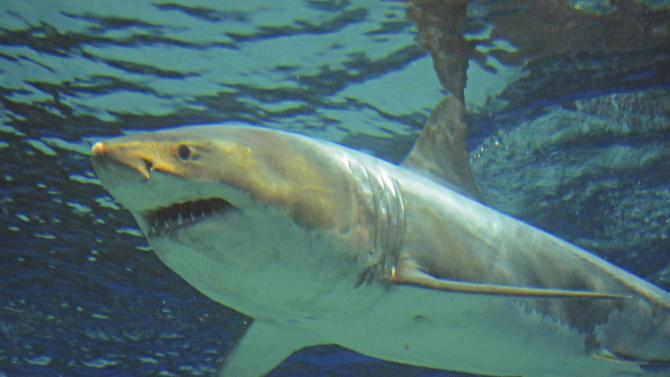
Just three days ago and aquarium in Okinawa, Japan took in an adult great white shark which was caught near a village. The shark is the largest great white to ever be on exhibit. It measures roughly 11 and a half feet long. Prior to Okinawa attempting to keep a great white in captivity Monterey Bay Aquarium in California, USA, had tried 6 times from 2004 to 2011 to keep a great white on exhibit. One of the biggest differences between Monterey Bay's attempts and Okinawa is that all of Monterey Bay's attempts were done on juvenile great whites. All of those sharks wound up being released for various reasons and sadly two showed up dead shortly later. One for unknown reasons and one was sadly caught in a gill net in Mexico.
Getting back to Okinawa. Upon arrival to the aquarium the shark apparently was disoriented and needed to be guided around the exhibit by aquarium staff to prevent it from crashing into the walls. At one point the shark even stopped swimming and needed to be prodded into getting off the bottom of the tank. The shark eventually settled down, but from what I can find never had an appetite. The shark took a turn for the worse and sadly passed away this morning. Okinawa's attempt to keep a great white shark in captivity has failed as has every other attempt at keeping these animals in captivity around the world.
Why great whites fail to do well for any period of time in captivity is certainly a puzzle to many people around the world. There are really many reasons that these animals cant survive in captivity, many of which we probably don't even know. The things that come to my mind are that the tanks that we have are simply too hard for the constantly swimming sharks to navigate. Proof of this can be found in this story involving Japan. The general nature of the shark species itself probably lends a reason as well. Great whites are very aggressive by nature and even territorial. An example of this can be found in one of the sharks Monterey Bay tried to keep that bit other sharks, but did not eat them. It is thought that the shark was protecting it's territory. There are plenty of other reasons as well that these sharks don't do well. While none of these sharks should have been taken into captivity in the first place, Monterey Bay made the right move of releasing these animals as soon as things started to go wrong. That led to 4 of the 6 surviving and the 5th shark probably would still be alive today had it not been for the gill net.
The bottom line is that great white sharks plus captivity does and probably always will due to many reasons, equal disaster for the shark. As amazing as it would be to let people have the opportunity to see these animals up close without needing to go out on a boat or go to a beach, right now I just don't think it's possible and that is not really a bad thing.
Photo: Okinawa Churaumi Aquarium
Thursday, January 7, 2016
Manta Rays Officially Protected In Peru
Happy New Year one and all and welcome back or if you are new... WELCOME! Tonight's blog is a quick piece of wonderful news. As of January 1st. 2016 the manta ray is officially protected in Peru! This is very significant as according to a study conducted by Manta Trust, Peru has the largest population of manta rays in the world. Up until this ban, Peru was one of the largest sources of gill rakers being shipped to China.
The government of Peru has made it so that it is illegal to catch a manta ray. If a manta ray is caught as bycatch, it is to be released unharmed. Long story short. Peru has joined neighboring Ecuador and over a dozen other countries that have strict laws in place regarding the fishing of manta rays. The move also closes a big gap that existed for fisherman from Ecuador that may have been going into Peruvian waters to catch mantas. Now both countries have outlawed that practice and if upheld correctly, manta populations can still make a comeback.
You may be asking yourself what will happen to the lives of the fishermen that depended on the mantas? Well the conservation group Wild Aid has a wonderful track record of working with villages in many different countries in an effort to keep everyone on their feet. Often times villages are willing to work with Wild Aid and start to convert from manta fishing to manta eco-tourism. Speaking money here, a live manta is worth far more than a dead one as only the gill rakers hold any value. It is estimated that a single live manta is worth over 1 million dollars! That's just one single manta. The protection of manta rays in Peru is just a start however as the new law does not protect the mobula rays which are closely related to manta rays. Wild Aid will continue to seek the protection these smaller rays need to ensure that they too are in Peru for many many years to come!
The government of Peru has made it so that it is illegal to catch a manta ray. If a manta ray is caught as bycatch, it is to be released unharmed. Long story short. Peru has joined neighboring Ecuador and over a dozen other countries that have strict laws in place regarding the fishing of manta rays. The move also closes a big gap that existed for fisherman from Ecuador that may have been going into Peruvian waters to catch mantas. Now both countries have outlawed that practice and if upheld correctly, manta populations can still make a comeback.
You may be asking yourself what will happen to the lives of the fishermen that depended on the mantas? Well the conservation group Wild Aid has a wonderful track record of working with villages in many different countries in an effort to keep everyone on their feet. Often times villages are willing to work with Wild Aid and start to convert from manta fishing to manta eco-tourism. Speaking money here, a live manta is worth far more than a dead one as only the gill rakers hold any value. It is estimated that a single live manta is worth over 1 million dollars! That's just one single manta. The protection of manta rays in Peru is just a start however as the new law does not protect the mobula rays which are closely related to manta rays. Wild Aid will continue to seek the protection these smaller rays need to ensure that they too are in Peru for many many years to come!
Subscribe to:
Posts (Atom)